

Quick answer
Yes, there are ice caves in Iceland, primarily within Vatnajökull glacier. Natural ice caves are accessible only during winter months—typically November through March—when freezing temperatures stabilize the ice structures. Entry to these glacier caves requires a mandatory guided tour; independent exploration is prohibited due to rapidly changing conditions and safety risks. Tours operate daily from 09:00–17:00, with morning departures offering the best natural light and weather stability.
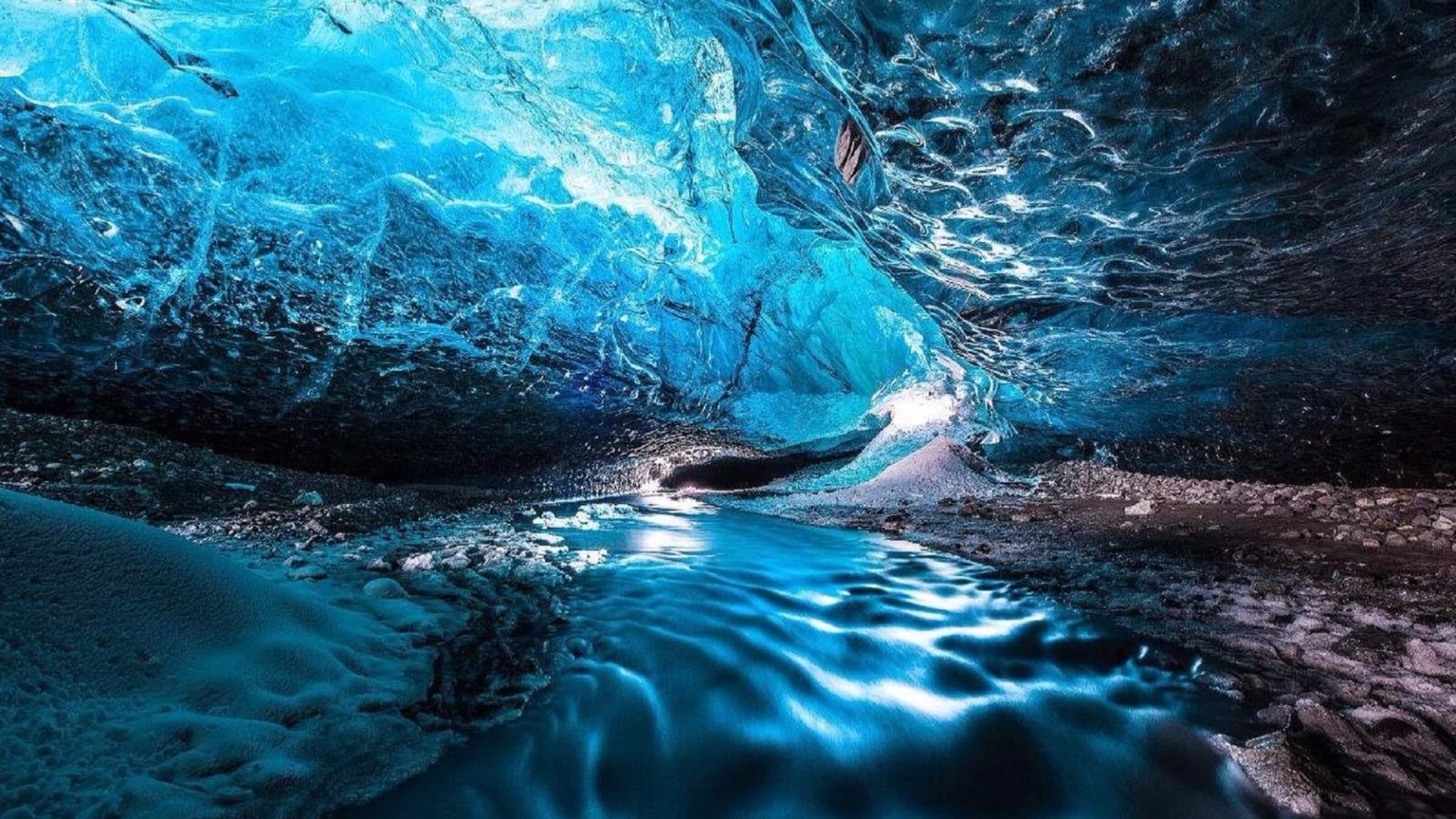
Vatnajökull, Europe's largest ice cap, generates the conditions for natural ice caves to form each winter. Meltwater carves tunnels through the glacier base during summer, and when temperatures drop in autumn, these channels freeze into accessible caverns. The Crystal Cave, formed beneath Breiðamerkurjökull outlet glacier, became Iceland's most documented ice cave after guides began leading expeditions there in 2011. Each season produces different cave formations—some years yield cathedral-sized chambers, others narrow passages lit by refracted daylight. Glacier cave access operates under strict protocols managed by Vatnajökull National Park authorities and certified guide companies. Caves receive daily structural assessments, and routes close without notice when ice shifts or temperatures rise above safe thresholds. Most tours depart from Jökulsárlón or the park visitor center, involving a super-jeep transfer across the glacier tongue followed by a short walk to the cave entrance wearing crampons and helmets. The entire experience spans three to four hours. Are there ice caves in Iceland outside of winter? The answer depends on what you mean by ice cave. Natural glacier caves collapse or flood when summer melt begins, typically by late March. However, man-made ice tunnels carved into Langjökull glacier operate year-round at higher elevations where temperatures remain below freezing. These engineered tunnels offer a controlled alternative but lack the organic architecture and blue ice that make natural caves distinctive. Weather governs everything. Wind, precipitation, and temperature swings can shut down glacier access for days, even during peak season. Operators require participants to meet at staging points rather than the caves themselves, allowing flexibility to redirect groups if conditions deteriorate. The park's location on Iceland's southeast coast means Atlantic storm systems move through rapidly, and morning weather often differs sharply from afternoon conditions. Booking early in your visit window increases your chances of securing a tour on a viable day, and operators typically offer rebooking rather than refunds when caves close for safety.
“Meltwater carves tunnels through the glacier base during summer, and when temperatures drop in autumn, these channels freeze into accessible caverns.”
When Are There Ice Caves in Iceland to Visit?
The optimal period to visit natural ice caves in Iceland is between November and March, when sub-zero temperatures stabilize the glacial structures. Within this timeframe, the best arrival window is 09:00–12:00 to capitalize on consistent natural light and optimal weather conditions before afternoon fluctuations.
November–March
Low to moderateStable, sub-zero temperatures (0°C to -10°C)
This period ensures the structural integrity required for safe entry into natural ice caves.
Mid-day (12:00–15:00)
HighVariable light and wind conditions
Afternoon hours often bring shifting weather patterns and reduced visibility for glacier transit.
09:00–12:00
Low to moderateClearer light and increased weather stability
Early arrival provides the most stable environment for glacier access and photography before potential weather changes.
Verdict: The best time to visit is during the winter months of November to March, specifically arriving between 09:00 and 12:00.
Pricing and Fees: Are There Ice Caves in Iceland You Can Enter Free?
Access to Vatnajökull National Park is free of charge. However, entering ice caves independently is prohibited due to safety risks, making professional guided tours a mandatory requirement.
While park entry is 0 ISK, visitors must pay for a mandatory guided tour to safely enter any ice caves.
How to Get There: Are There Ice Caves in Iceland Accessible from Reykjavik?
Ice caves are located within Vatnajökull National Park, which is situated in Southeast Iceland. Accessing these sites typically requires driving along the Ring Road (Route 1) from Reykjavik to the designated glacier meeting points.
Route 1 (Ring Road) from Reykjavik to Skaftafell
Strætó Route 51 from Mjódd terminal to Skaftafell
Essential Preparation: Are There Ice Caves in Iceland Safety Rules to Follow?
Ice cave visits require advance planning, proper equipment, and booking a certified guided tour—independent glacier access is prohibited.
-
Book a guided tour in advance — Natural ice caves are only accessible through mandatory guided tours with certified operators.
-
Check physical fitness requirements — Tours involve glacier hiking over uneven ice and may require moderate stamina.
-
Wear waterproof hiking boots — Crampons will be fitted over your boots for traction on glacier ice.
-
Dress in warm, layered clothing — Temperatures inside ice caves stay below freezing year-round.
-
Bring a headlamp or flashlight — Cave interiors have no artificial lighting and natural light is limited.
-
Confirm tour departure location and time — Pickup points vary by operator; most tours depart from Jökulsárlón or nearby staging areas.
-
Arrive 15 minutes before departure — Late arrivals cannot join glacier expeditions due to strict safety protocols.
Check availability
Frequently Asked Questions About Ice Caves in Iceland
Everything you need to know about are there ice caves in iceland